






DIMOCO Introduces Stablecoin Settlement for Merchants
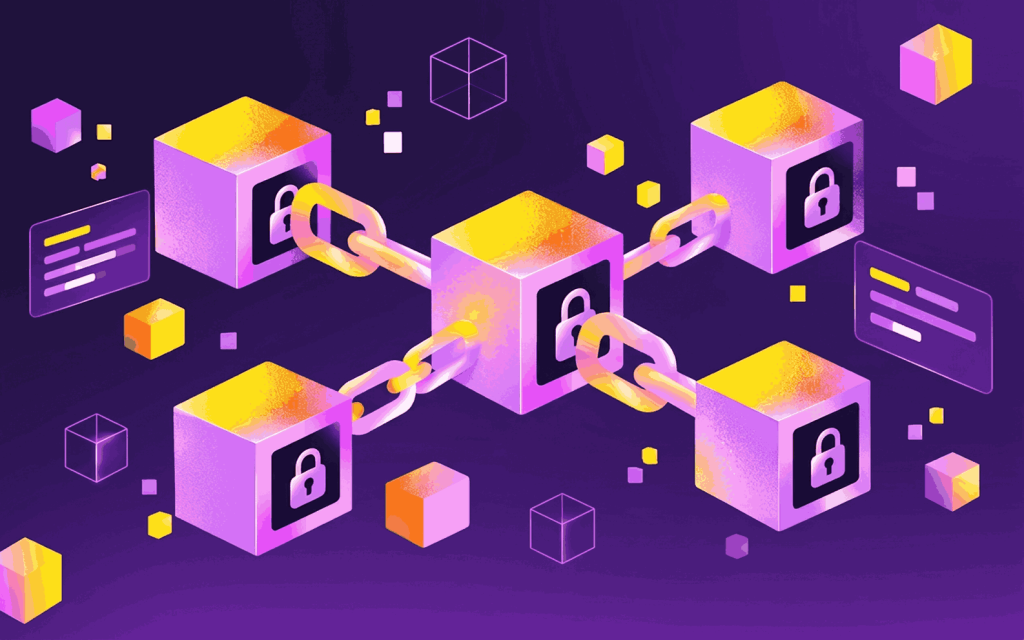
DIMOCO launches stablecoin settlement with Fipto: merchants can take payouts in euro or dollar stablecoins, usually within minutes.
Card payments in the EU explained: PSD2, SCA and compliance

Consumer interchange is capped at 0.2% and 0.3%. Commercial cards are not. What EU card payments actually cost, and which SCA exemptions protect conversion.
Payments for the on-demand economy
Unexplained error codes, rising cart abandonment, chargeback spikes. That is scale-up syndrome: what happens when a merchant outgrows a generic payment setup.
DIMOCO and Neo.bet partner in German market first

DIMOCO is the first provider authorized by Germany’s GGL to offer carrier billing to licensed iGaming operators. NEO.bet is the first sportsbook to use it.
Expanding the role of Carrier Billing

An agent model lets telcos offer carrier billing for physical services without becoming financial institutions. What that opens up for EV charging and parking.
Carrier Billing & Micro Mobility

Adding a payment method is the easy part. Getting riders to use it took banners on 1,200 bikes, in-app prompts and cashback across 75 cities. The nextbike rollout.
Why Carrier Billing?

Carrier billing has existed since the 1990s. What changed: the agent model lifted the €50 cap and the digital-goods limit. Where it earns its place now.
The Agent Model’s impact

Under the agent model, MNOs act as payment agents for a licensed payment institution. That lifts the €50 cap and the digital-goods restriction. How it works.
Anti-money laundering in eCommerce

Money laundering in eCommerce, and why a provider’s AML program is your problem too. KYC, transaction monitoring and sanctions screening, explained.
iGaming: carrier billing another way to play

Deposits are where iGaming operators lose players. Where carrier billing helps, where regulation limits it, and why no single method covers a player base.